What Specifications Matter for Packaging Plant Paper Cutters
A packaging plant should specify a paper cutter from its product mix, not from the largest number in a catalogue. The useful question is whether the machine can handle the plant’s peak sheet format, stack height, materials and accuracy target without creating avoidable setup time or waste.
1. Define the production envelope
Record five numbers from real job tickets:
- Maximum sheet width and depth
- Normal and peak stack height
- Daily sheets or stacks cut
- Required trim tolerance
- Number of shifts and operators
Also list the materials. Coated paper, folding carton board, labels and laminated sheets can behave differently under the clamp and knife. A supplier should evaluate representative samples rather than promise that one nominal capacity fits every substrate.
2. Choose capacity with evidence
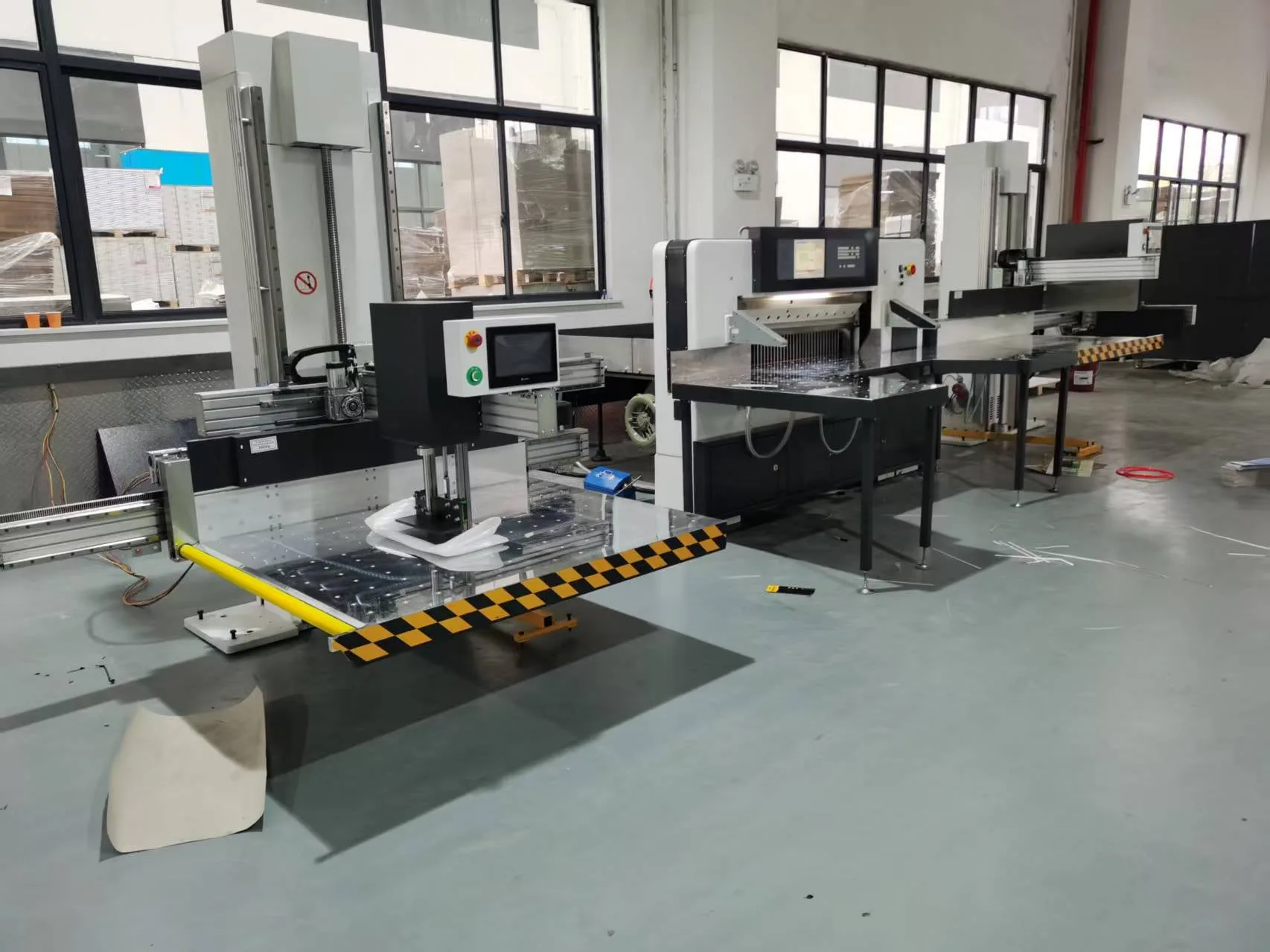
A 920 mm class machine such as QZK920 is usually easier to place in a compact print room and can be a sensible choice for mixed commercial work. A 1370 mm class machine such as QZK1370C gives more room for large packaging sheets and future jobs, but requires more floor space and a stronger material-handling plan. The Cutting Linkage Line is relevant when cutting is part of a wider line workflow rather than a single standalone operation. QZK1300 is the 1300 mm programmable cutter.
Do not buy 1370 mm capacity for one rare job. Do not buy 920 mm capacity if oversized work is already a weekly bottleneck. Compare the cost of the machine with the cost of outsourcing, extra handling and lost schedule time.
3. Specify controllable performance
The RFQ should state maximum cutting width, usable cutting depth, stack height, positioning method, hydraulic configuration, electrical supply, accuracy target and safety equipment. Ask which values are guaranteed, how they are measured and with which material thickness.
For repeat packaging jobs, also ask about stored programs and recovery after a power interruption. For high-mix work, ask how quickly an operator can set the next job and verify the first cut.
4. Include the installation envelope
Request machine footprint, service clearances, lifting points, floor requirements, shipping weight, voltage and phase. A machine that fits on paper may still fail the project if pallets cannot reach the loading side or maintenance access is blocked.
Buyer checklist
- Attach representative job tickets and samples to the RFQ.
- Separate normal capacity from peak capacity.
- Compare 920 mm, 1370 mm and line options against floor and labor limits.
- Put accuracy, safety, power and acceptance criteria in writing.
- Calculate waste, outsourcing and downtime in the TCO model.
Next step
Send Luolan Machinery your largest format, common materials, stack height, monthly volume and destination. The team can compare QZK920, QZK1370C and QZK1300 against the actual production envelope.